


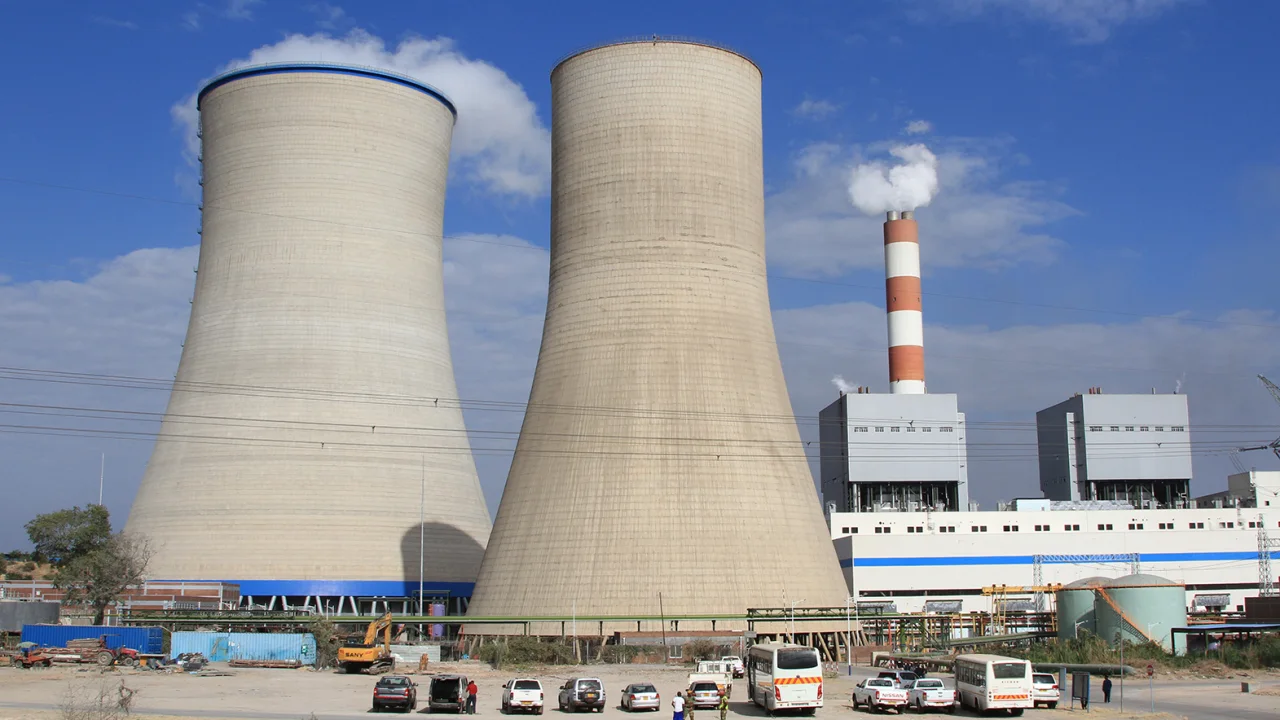
The inauguration of two new electricity-generating units in Zimbabwe’s Hwange power station last month was not an unfamiliar scene when it comes to major infrastructure projects in Africa.
There, in a rural corner of the southern African nation, government officials and the Chinese ambassador gathered to ribbon-cut and laud the expansion of the coal-fired plant meant to reduce power cuts in the country – and Beijing’s role in funding it.
The project, backed by roughly $1 billion in Chinese loans years before Beijing stopped funding new coal-powered projects overseas, is one of the continent’s numerous big-ticket projects bankrolled by Chinese lenders under leader Xi Jinping’s hallmark Belt and Road Initiative.
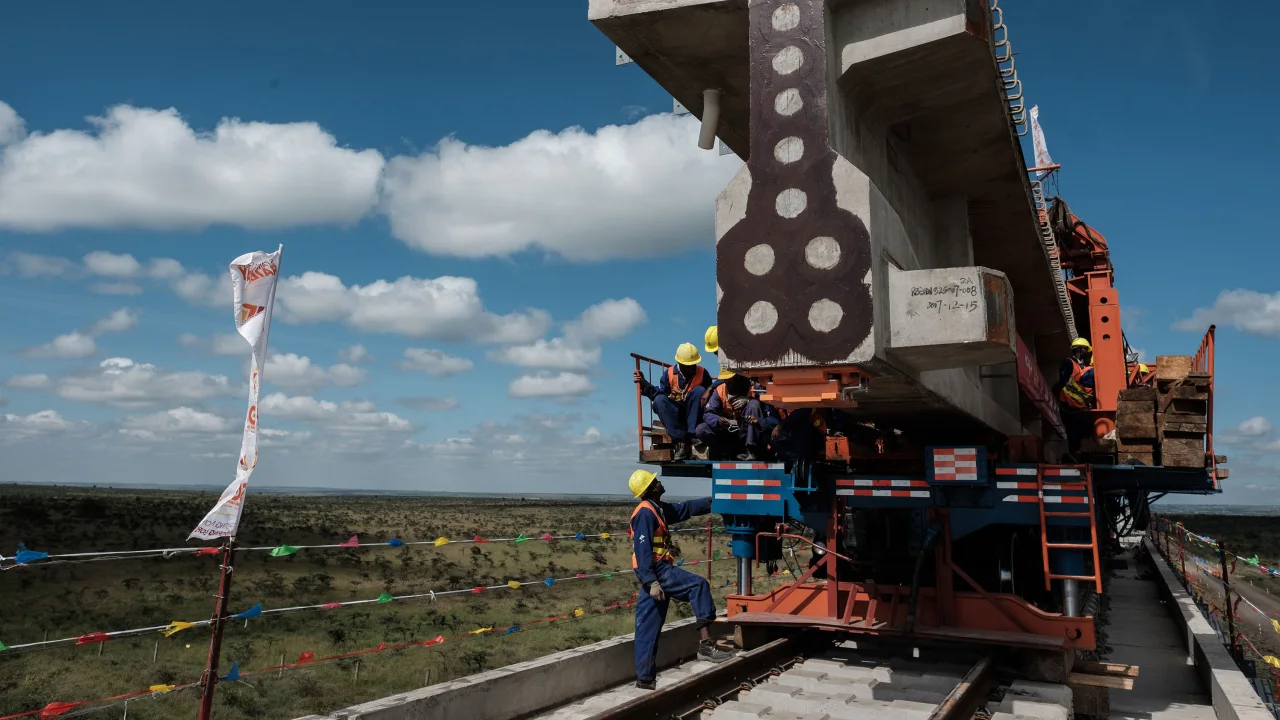
The impact of those funds is felt across Africa, where residents in major cities like Lagos, Nairobi and Addis Ababa now transit daily via railways, highways and airports built in recent years with Chinese loans and often by Chinese construction firms.
Now, as the global infrastructure building spree enters its second decade there are questions about how Beijing will choose to direct the initiative in the years ahead – and whether it will downsize funding amid new challenges and signs of a recalibration.
Debt repayment issues amid global economic headwinds from the Covid-19 pandemic and the war in Ukraine, Beijing’s own bubbling financial woes and a need to better address environmental issues are among new pressures on how China lends and countries borrow.
Some data suggest a shift is already underway, with researchers from the Boston University Global Development Policy Center in the US tracking what they say is a steady decline in new loan commitments from Chinese entities to African government borrowers that deepened in the past two years.
Those new loans fell from a peak of $28.5 billion in 2016 down to just under $1 billion last year – the second consecutive year that lending fell below $2 billion and a drop the researchers say in a new report may not just be explained by the pandemic, but a broader shift toward lending that could see fewer large-scale loans.
“The Belt and Road Initiative does appear to be in recalibration mode,” report author Oyintarelado Moses told CNN. And such a phenomenon may not just be limited to Chinese financing in Africa.
“Looking at decreasing loan averages globally, it is likely that this new phase (of Belt and Road lending) will be characterized by less financing overall,” said Moses, who is a data analyst at the center’s Global China Initiative.
But understanding how much money is flowing out of China into global development is notoriously tricky as Beijing doesn’t share this data openly and a wide range of financial entities play roles.
The data from the Global Development Policy Center, for example, focuses on African government borrowers or loans with a sovereign guarantee, excluding some Chinese lending that may be going to private borrowers for projects on the continent.
Some experts argue the key motivations that drove Beijing to become the world’s largest bilateral lender remain unchanged – suggesting it will continue to fund both large and smaller scale projects in the coming years, though it’s unclear at what scale.
How all this plays out could have a significant impact on developing countries’ access to much-needed infrastructure funding. Policymakers will be looking to a major international forum focused on the initiative next month in Beijing for signs of what’s next.
Economic headwinds
Xi launched the initiative that would become a cornerstone of his foreign policy during a 2013 trip to Kazakhstan. There, the Chinese leader called for a revamping of the ancient Silk Road to make countries’ “economic ties closer, mutual cooperation deeper and space of development broader.”
Since then, billions in loans not just from development finance institutions but China’s commercial banks have poured into railroads, power plants, highways, ports and telecoms across the developing world.
This gave the Chinese economy an outlet for its excess industrial capacity and funds, and allowed China to expand its global footprint and soft power – deepening relationships with what Beijing says are more than 150 countries that have signed on to cooperate in the initiative.
Many of its partners have reaped benefits from the new infrastructure.
But projects under the Belt and Road umbrella have generated accusations of lax environmental and labor standards, as well as risky lending, with critics saying China has saddled low- and middle-income governments with overly high levels of debt relative to their GDPs.
Beijing has pushed back on these assertions and instead hailed the initiative as a means for people around the world “to make the ‘cake’ bigger and share it more equally” and “foster new engines for economic development.”
Now, new economic realities – as countries still reeling from the pandemic are hit by rising interest rates and commodity prices driven by the war in Ukraine – are at play.
“The biggest change that we have to acknowledge is that the era of low interest rates (and) cheap money flowing out of China into these countries – that era is over. And now China is the biggest debt collector in the world,” said Ammar A. Malik, a senior research scientist at AidData research lab at William & Mary’s Global Research Institute in the US, which also tracks Chinese overseas development finance.
“So the challenge (for China) is now to basically make sure that these countries are sufficiently liquid and these projects are sufficiently functional that China would (be able to) collect their repayments with interest and on time,” he said.
In recent years, a number of recipient governments have asked for debt deferment or relief treatment from creditors including China, with Beijing issuing bailout loans and joining other lenders in joint negotiations on debt relief for troubled borrowers such as Zambia and Ghana.
Debt distress issues may mean that a number of low and middle income countries are not in a position to take on more debt currently, said Malik.
But many developing economies are likely “still very interested in receiving funds for large infrastructure projects that are so critical to grow their economies,” he said, and there are a range of factors that “incentivize both China and recipient countries to continue working together” that may not lead to a slowdown in financing ahead.
China is also navigating the second decade of the Belt and Road amid stark economic challenges at home. An expected post-Covid economic rebound has never materialized and local governments are grappling with mounting debt linked to a property crisis.
It remains to be seen to what extent Beijing’s own domestic economic challenges will impact its overseas lending in the longer term, but there are signs of effects now, according to Moses from the Global Development Policy Center.
Beijing’s decisions on how to channel its foreign exchange reserves and calls for increased liquidity to address domestic challenges “show a current shift to lenders having a higher focus on domestic financing needs,” she said.
But while China’s economic troubles may cause financiers to be more circumspect, some of the economic priorities originally driving China’s global infrastructure spree – like an interest in generating new investment opportunities in a slowing economy – remain, according to Austin Strange, an assistant professor at the University of Hong Kong.
“This basic intuition is arguably still valid as the slowdown continues, particularly as geopolitical tensions are making it more difficult for Chinese firms in certain sectors to invest more in advanced economies,” he said.
A Beijing gathering
As representatives from more than 100 counties are expected to gather in Beijing for a Belt and Road forum next month, policymakers around the world will be watching closely for signals of how the initiative will evolve.
A decline in the scale of loans is not the only area being watched, as China may look to place more emphasis on environmental issues, better social protections and due diligence – especially as Beijing and its banks learn lessons from the project’s first decade, analysts say.
A 2021 AidData report found that some 35% of Belt and Road projects solely operated by Chinese entities from 2013-2017 had “implementation challenges,” including environmental incidents, corruption scandals and labor violations.
China in 2017 released guidance on promoting a “green” Belt and Road, which called for sustainable development and strengthening environmental protection. More recently, officials have begun calling for “small and beautiful” projects, which they suggest will appeal to local populations.
In 2021, Xi pledged that China would not build any new coal-fired power projects abroad.
But unlike Western lenders who look to apply their environmental and other standards onto projects they fund, China has traditionally allowed the recipient country to dictate the nature of the project, according to AidData’s Malik, who said this could limit how much Beijing can follow through on its green goals.
When it comes to Africa, researchers at the Global Development Policy Center say future lending to the continent could mean fewer large-scale loans over $500 million, more with smaller values under $50 million and loans with more beneficial social and environmental impacts.
It’s likely, however, that China will still continue to direct funding in alignment with its geopolitical aims, especially in areas where it is vying for influence against the United States, which has recently launched its own initiatives to rival Chinese overseas development funding.
And while China’s funding of large infrastructure projects may have peaked in global volume, there are “likely still considerable pockets of (Belt and Road Initiative) enthusiasm on the part of China and counterpart governments, for instance, in China’s regional neighborhood,” said HKU’s Strange.
If Chinese policymakers and project leaders have made serious investments to improve on how they manage these projects over the past decade, new ones “should in theory benefit from past lessons learned,” he said. “Hindsight is a potential benefit here.”
— CutC by cnn.com
