


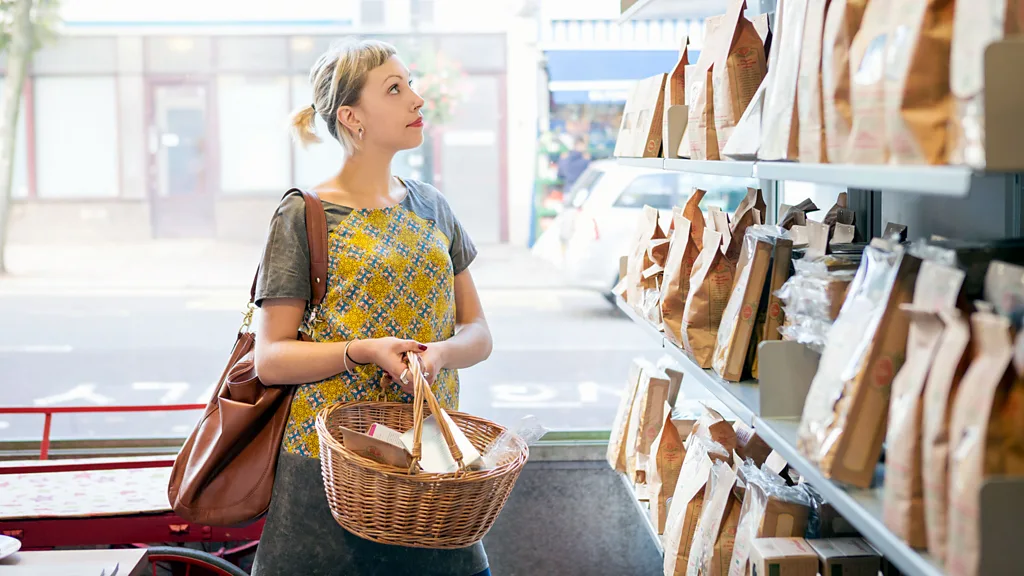
A growing group of conscious consumers have found other strategies to keep companies honest.
Consumers have long wielded their purchasing power to send messages to companies whose stances they disagree with. Boycotts can take the form of personal snubs at a shop, or large-scale, highly publicised movements. While many of these boycotts often fall “into the dustbin of outrage”, swaths of consumers are still more determined than ever to spend with companies whose values and ethics align with their own – and to divert their dollars from companies whose practices don't.
But although it's simple to pluck an alternative brand from the shelf, making a dent in any one company's bottom line is difficult in an age of conglomeration: many brands are just one in a larger business's portfolio of multiple products, often across sectors.
Maurice Schweitzer, a professor at The Wharton School of The University of Pennsylvania, US, points to the recent US boycott of Bud Light as an example. In April 2023, the alcohol brand faced a backlash from some conservative consumers, commentators, and celebrities for its partnership with transgender influencer Dylan Mulvaney.
While many consumers chose to boycott Bud Light, hoping to hurt their revenue, shoppers who picked an alternative product may have inadvertently sent their money towards the brand, anyway. “There are so many sister brands of Bud Light that it's actually, in practice, much more complicated than just not drinking that brand of beer if you're trying to have an impact,” says Schweitzer. Bud Light is owned by Anheuser-Busch, which also owns more than 100 brands including Budweiser, Kona Big Wave, Landshark and more.
Schweitzer says this situation is common, citing Amazon as an example, which owns brands including Whole Foods and Audible. He explains that if there's a call to boycott the Amazon ecommerce platform, protesters are likely still patronising Amazon's many other holdings, including Amazon Web Services which hosts popular sites including Netflix, Facebook and Airbnb.
Overall, set-ups like this make it incredibly difficult to divert spending on ethical grounds, especially when conglomeration may be opaque and ongoing, and global business is always evolving. Large companies are snapping up start-ups and smaller brands all the time, and making moves responding to geopolitical circumstances that are changing every day. It can be almost impossible to keep up, even for the savviest consumer.
Not a zero-sum game
Recognising these challenges, some people are taking a new approach to boycotts. Instead of flat-out avoiding certain brands that make moves they disagree with, some consumers are consistently directing their money to companies in which they are confident. These conscious consumers are highly informed: they're hyper-aware of where and how products are made and distributed, and spend with the brands whose ethics align with their own.
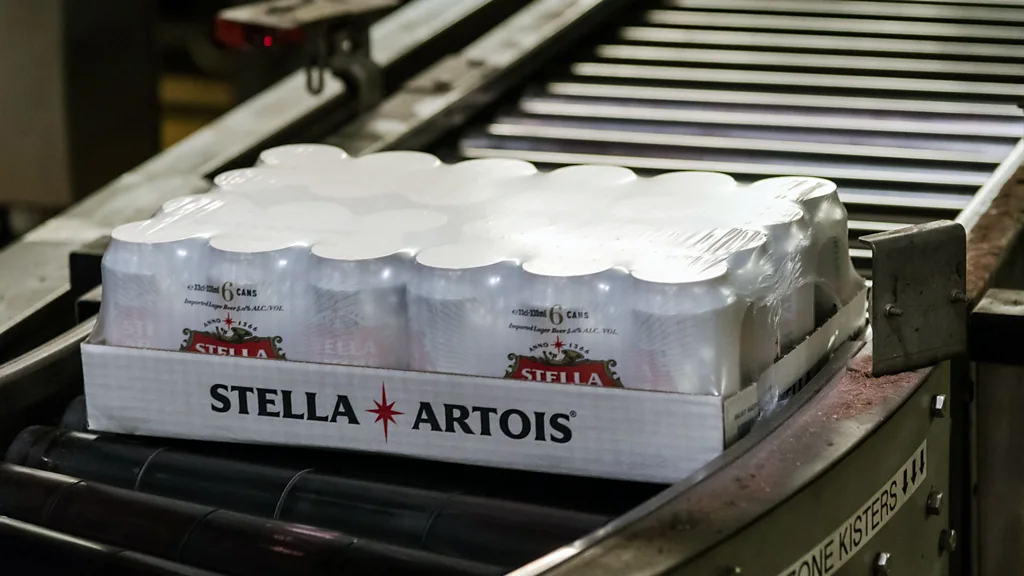
At the same time, however, they're also practical, and don't see shopping ethically as zero-sum. Many understand the situation of conglomeration and its moving-target nature, and see interacting with companies that they disagree with as an unavoidable part of daily life. They may also be more likely to forgive themselves for the occasional fast fashion or ‘un-green' purchase, say experts.
It's very difficult for us to give up things even when we hear bad news about a brand, or it's reported that brand has done something wrong – Maurice Schweitzer
Despite this, however, these informed consumers are simultaneously pushing companies to improve their policies. To win back customers, brands must work to gain trust through transparency about missteps and the strides they've taken to fix them. This is often enough to bring conscious consumers back on board – something companies have noticed and is incentivising them to act. Indeed, says Moriarty, when potentially damaging news comes out about brands that consumers feel are closely ethically aligned with their own stances, those shoppers are often willing to allow the brand to redeem itself.
“It's easy for brands to lose trust. But it's not impossible for brands to regain that trust. Consumers don't really like change. In many cases, we look for brands to support us through any transitions, particularly with big picture issues like sustainability or ethical issues,” he says. “And it's very difficult for us to give up things even when we hear bad news about a brand, or it's reported that brand has done something wrong.”
Holding companies accountable
Experts say these conscious consumers are changing the way businesses big and small respond to ethical backlash. Even if shoppers may not be fully boycotting brands, their consumption behaviour and attention to corporate practices actively puts pressure on brands to change and evolve.
“That's conscious consumerism,” says Simon Moriarty, director of trends research at market-intelligence firm Mintel. He adds Mintel's trend research shows consumers are eager to see the redemption arc. And many are more willing to hold companies accountable for missteps if it means keeping their favourite items in the cart.
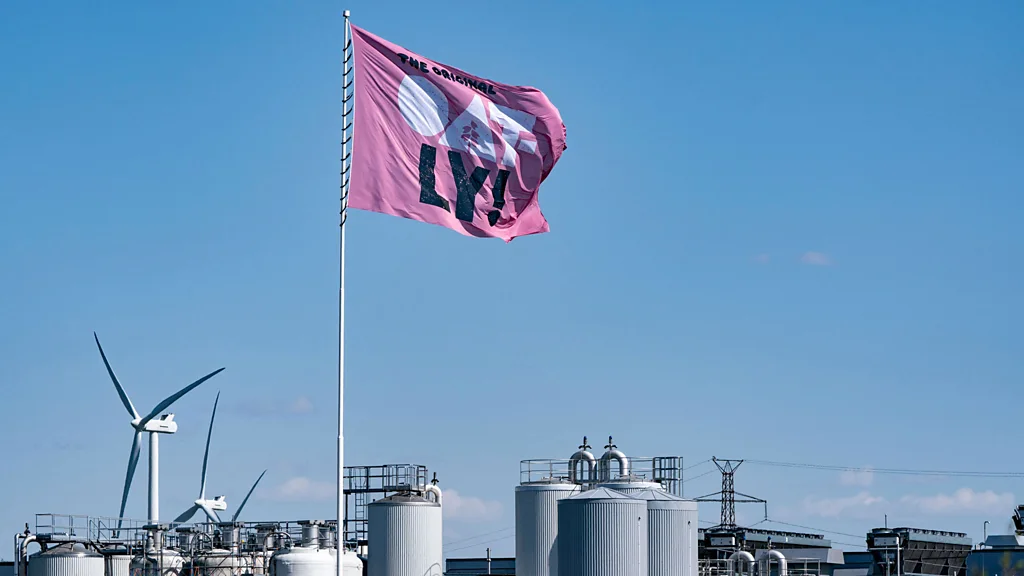
One example is Oatly, a Swedish food company that produces oat-based alternatives to daily products. The brand, formed in the 1990s, entered the scene as not only as a challenger to global dairy conglomerates, but also positioned itself as more sustainable than these companies.
In 2022, however, Oatly found itself in hot water after making “misleading” environmental claims in which they described their carbon footprint without sufficient evidence. Yet despite the news, consumers seeking a greener alternative to dairy didn't abandon the company outright. Instead, says Moriarity, they carefully tracked the company's statements, and pushed Oatly to release a clear plan to correct the reporting error and operate more sustainably.
“Consumers are a crucial part of the puzzle in shifting to more sustainable choices,” says Shaunagh Duncan, Oatly's head of sustainability for Europe and international markets. September 2023 proprietary Oatly data, seen by the BBC, showed 59% of UK adults say they would change their food and drink consumption behaviour based on “accurate information” about the company's business practices.
Duncan agrees companies should be proactive about making shifts and communicating them to their customer base. The strategy seems to be working for Oatly. In 2023, the company reported $783.3m (£630m) in revenue. In their Q4 earnings call, Oatly announced it expects revenue to increase by 5% to 10% in 2024.
Still, says Mintel's Moriarty, not every consumer is shopping so consciously. Overwhelmingly, most people will either boycott brands or not protest at all. “People want to do the right thing, but sometimes that's complicated especially as the news cycle shifts,” says Schweitzer. Increasingly, however, consumers will find that landing somewhere in the middle may actually force the most change.
